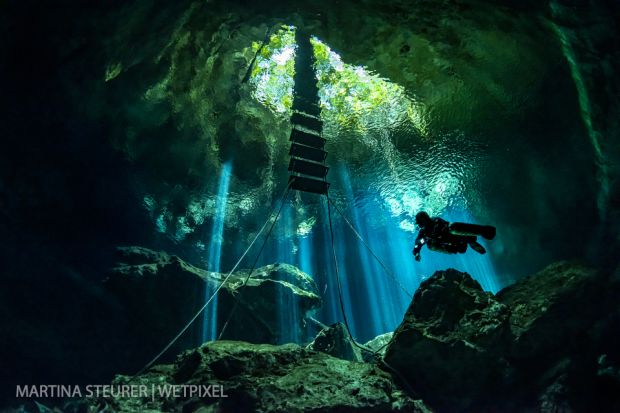
Wetpixel/Under The Jungle Cenote Workshop 2021
Join Wetpixel Editor Adam Hanlon at the ADEX Pixel Virtual Exhibition tomorrow (08 December). At 1.00 am EST, he will be chatting to the underwater imaging master and cave photography guru Tom St. George, and at 1.30 am EST, he will be discussing photography with imaging master William Tan. The talks will be live-streamed via the ADEX Facebook page and via their website.
Erin Quigley and the GoAskErin team are hosting two live teaching workshops discussing the functionality in Lightroom and Camera RAW’s Sky replacement, which can be used to replace water backgrounds. The events are being held on 10 December at 11.00 am and then 5.00 pm PST.
Wetpixel Editor Adam Hanlon chats to professional filmmaker Matthias Lebo about his work and projects. Adam and Matthias met at the recent CMAS World Championship and he is currently producing short films highlighting different tools that can be used by underwater filmmakers. He has also produced a course for those seeking to develop and improve their underwater filmmaking skills. It is available at a reduced rate now through to 31 December.
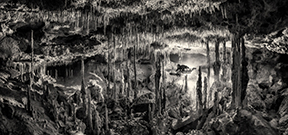
Perhaps fittingly over the Thanksgiving holiday, the 2021 DPG/Wetpixel Masters of Underwater Imaging has finalized all the scores and announced its results. Please settle into somewhere comfortable and celebrate a magnificent selection of underwater imagery. Definitely, a thing to savor! Hearty congratulations to all the winners, and especially to Martin Broen for his beautiful back and white entry that took the top prize.

Check out the new products on day 3 of the Wetpixel Virtual Show. Today, we feature videos from Nauticam that show their new accessories (including new viewfinders) and their range of housings and accessories for digital cinema filmmaking
Thanks to our friends in the underwater imaging industry, Wetpixel is able to bring coverage from day 2 of the Wetpixel Virtual Show. Check out all the new gear from Scubalamp and Backscatter, along with a review of the new mirrorless and SLR housings from Nauticam.
Wetpixel, with the collaboration of our wonderful friends and colleagues in the underwater imaging community, is proud to announce the first Wetpixel Virtual Trade Show. Given the difficulties that are still involved in travel for many, we have solicited video synopses from manufacturers and distributors, to allow those that are unable to attend to experience some of the show experience and to keep abreast of new equipment and trends in underwater imaging. Please keep checking back for updates through the next few days.
Erin Quigley and the team are back with a comprehensive round-up and tutorial encompassing all the cool new toys that were released with Lightroom 11. They will be hosting two live events on 12 November at 11.00am and 5.00pm PST. The events are free, but registration is required.